Did the Watchtower Really Claim to be a Prophet?

Did the Watchtower Really Claim to be a Prophet?

I remember it well. I was sitting in the ornate kingdom hall in Ridgefield, New Jersey, in 1977. Plush movie-theatre-style seats, ornate black wrought-iron chandeliers, and a stone-floor foyer that inspired whispering. During one talk from the platform, we were told that Jehovah’s Witnesses were the modern-day Ezekiel class. Later, as we studied the Watchtower, we heard references to the Jeremiah class. Years afterward, I also heard the organization identify itself as the John class.  I was a newly baptized Jehovah’s Witness, fully indoctrinated, and didn’t think much of it. The Governing Body heard from God and told us what they learned. We were a class of people, a prophet sounding out the warning to a dying world. Or so I thought.

Continue reading

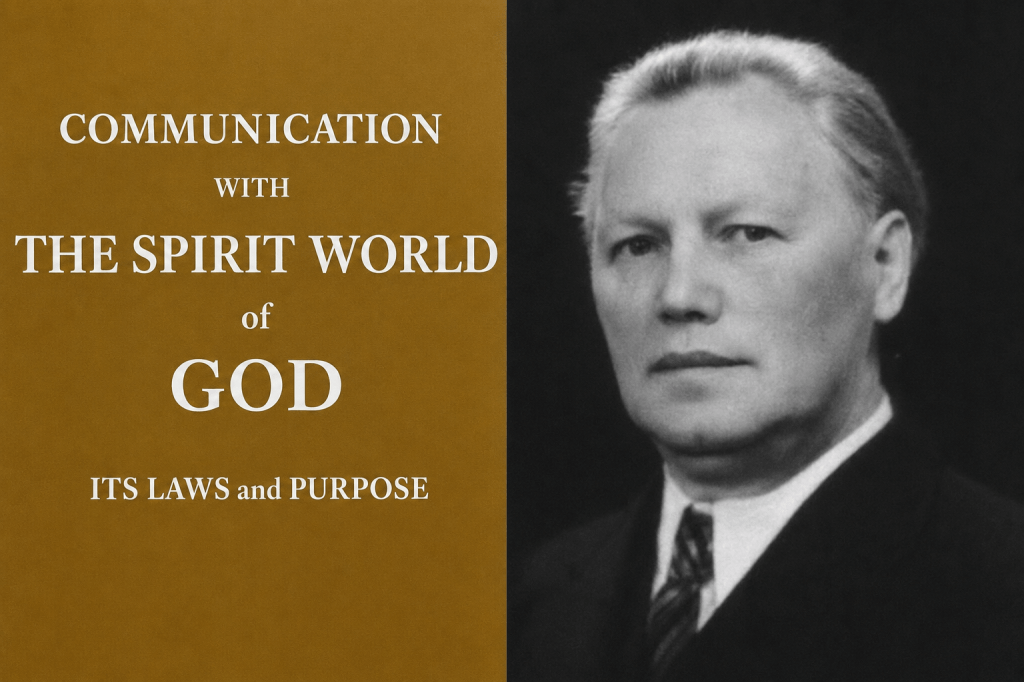
The Watchtower and Spiritism: The Johannes Greber Connection

This is not written to convince any Jehovah’s Witness of the demonic origins of their beloved organization, the Watchtower Bible and Tract Society. Rather, this is written to forewarn Christians as they encounter Jehovah’s Witnesses in their attempts to share the gospel. There are dark forces at play here. It is not simply that Jehovah’s Witnesses refuse to listen (though they do) but also that there are demonic forces we grapple with as we engage with them. This is a spiritual battle. Prayer is vital.

Continue reading

What Did the Watchtower Really Say About 1975?

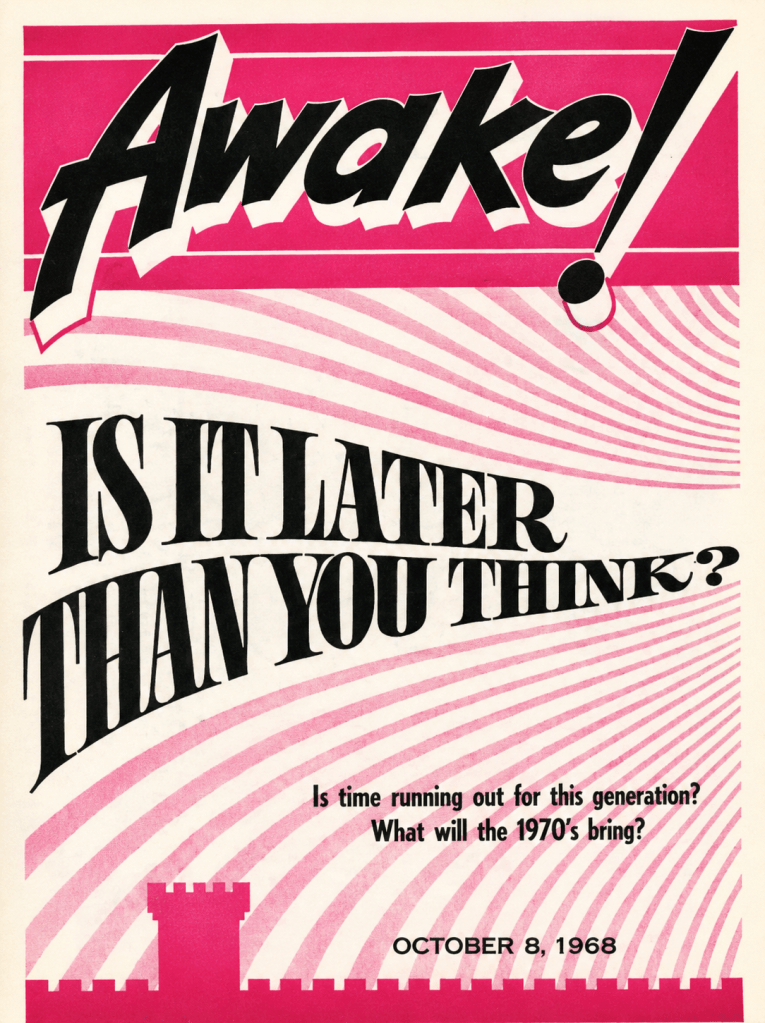
The Watchtower was creating a lot of excitement leading up to the 1970’s, as can be seen from the cover of this Awake! magazine from October 8, 1968.

There are some topics Jehovah’s Witnesses would rather not discuss. One of them is 1975.

Continue reading

Question #3: Why Do You Believe Jesus Chose the Watchtower Organization in 1919?

This is the third question in the “Top Ten Questions to Ask Jehovah’s Witnesses” series. This series is based on twelve years of discussions with Jehovah’s Witnesses as well as recommendations from scholars, researchers, and authors. New to this series? Start with Part One and Part Two before continuing.

Continue reading